
Dr Varun Gupta |
About Me
Dr Varun Gupta |
MBBS
Ophthalmologist
10 Years Experience
Biography
My Clinic
OPD Hours
| Monday | Morning | 10:00 AM | - | 02:00 PM |
| Evening | 06:00 PM | - | 09:00 PM | |
| Tuesday | Morning | 10:00 AM | - | 02:00 PM |
| Evening | 06:00 PM | - | 09:00 PM | |
| Wednesday | Morning | 10:00 AM | - | 02:00 PM |
| Evening | 06:00 PM | - | 09:00 PM | |
| Thursday | Morning | 10:00 AM | - | 02:00 PM |
| Evening | 06:00 PM | - | 09:00 PM | |
| Friday | Morning | 10:00 AM | - | 02:00 PM |
| Evening | 06:00 PM | - | 09:00 PM | |
| Saturday | Morning | 10:00 AM | - | 02:00 PM |
| Evening | 06:00 PM | - | 09:00 PM | |
| Sunday | Morning | 10:00 AM | - | 02:00 PM |
| Evening | 06:00 PM | - | 09:00 PM |
Treatments
Specialised care and treatments offered
REFRACTIVE ERROR CORRECTION
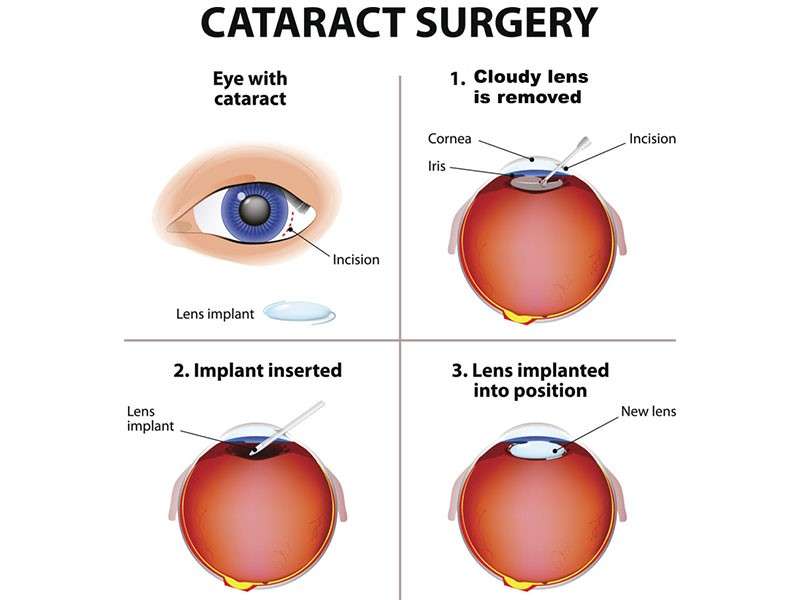
Refractive errors occur when light does not focus properly onto the retina due to irregular eyeball shape resulting in blurred images. This widespread problem affects all age groups causing nearsightedness (myopia), farsightedness (hyperopia), astigmatism ,or presbyopia .
- Symptoms include squinting ,headaches ,and difficulty seeing clearly both at distance or near tasks .
- These errors result from anatomical differences like elongated eyeballs causing myopia or flattened ones causing hyperopia .
- Diagnosis involves simple yet precise refraction tests using tools like autorefractors followed by confirmation through subjective patient responses during exam .
- Management options range across prescription spectacles ,contact lenses ,or refractive surgeries (LASIK/PRK) which reshape corneal curvature.
- Patients typically experience rapid improvement in clarity after correction tailored individually considering lifestyle preferences .
Addressing these common conditions enhances daily functioning significantly by restoring clear comfortable vision suitable for routine activities .
GLAUCOMA MANAGEMENT
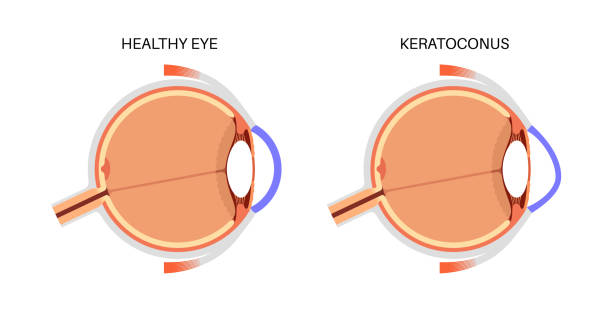
This group of disorders damages the optic nerve usually due to elevated intraocular pressure (IOP), causing gradual loss of peripheral vision. Without treatment, glaucoma can lead to irreversible blindness.
- The disease often develops silently with no early symptoms until significant optic nerve damage has occurred; later there is tunnel-like vision loss noted by patients which worsens over time.
- Main risk factors include raised IOP, family history, age above 40 years, certain ethnicities, and systemic conditions like diabetes and hypertension contributing as causes.
- A detailed workup comprises tonometry measuring IOP levels, optic nerve head evaluation via fundoscopy, pachymetry for corneal thickness assessment plus visual field testing for functional impact analysis.
- Treatments focus primarily on lowering IOP through medications such as prostaglandin analogs or beta-blockers; laser trabeculoplasty may also be utilized followed by surgical procedures if needed.
CHILDHOOD STRABISMUS
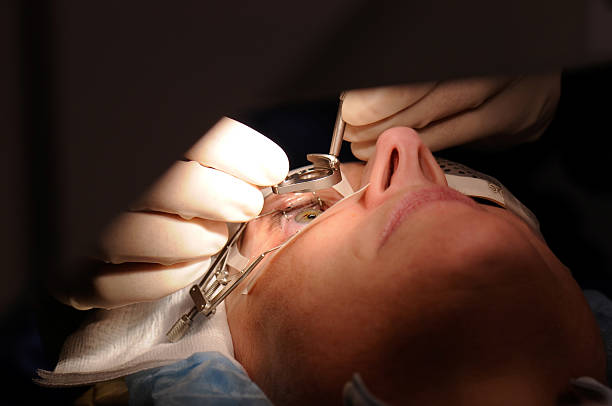
This condition involves misalignment of the eyes that can cause double vision or impaired depth perception. It often develops during infancy or early childhood when eye muscles do not coordinate properly.
- The primary signs include crossed eyes or one eye wandering outward or inward inconsistently.
- Poor coordination between ocular muscles leads to this imbalance as its frequent cause.
- A clinical exam assessing ocular alignment and binocular function diagnoses strabismus; additional tests may evaluate underlying neurological issues if suspected.
- Treatment combines glasses for refractive errors, patching weaker eyes, orthoptic exercises, and sometimes corrective surgery on eye muscles for alignment correction.
- If untreated early on, it may result in amblyopia due to suppression of input from the deviating eye by the brain.
Catching this condition promptly is crucial for optimal visual development and preventing lifelong complications with proper intervention strategies tailored per child’s needs.
DIABETIC RETINOPATHY
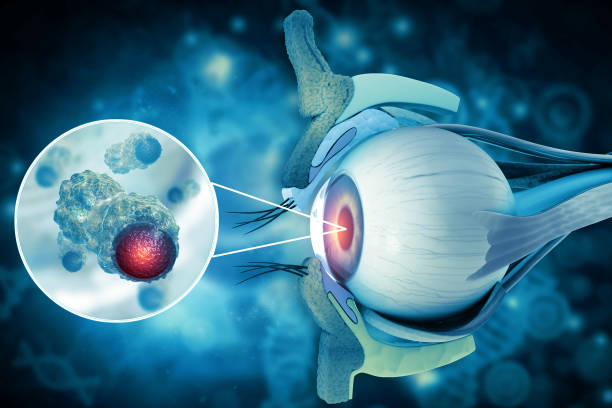
This complication arises from diabetes affecting the retinal blood vessels, potentially leading to vision impairment or blindness. It results from prolonged high blood sugar damaging delicate vessels in the retina.
- Early stages may have no noticeable symptoms, but advanced disease includes floaters, blurred vision, or dark areas in sight.
- Poor glycemic control is a major cause, along with hypertension and duration of diabetes.
- A thorough dilated fundus examination, fluorescein angiography, and optical coherence tomography aid diagnosis and staging of retinopathy severity.
- Treatment ranges from laser photocoagulation to intravitreal injections targeting abnormal vessel growth depending on disease progression.
- Lifelong management involves tight diabetic control alongside regular ophthalmic check-ups to prevent deterioration.
An integrated care plan promotes preservation of useful vision by controlling systemic risk factors alongside targeted ocular therapies.
PEDIATRIC AMBLYOPIA
Amblyopia, commonly called "lazy eye," is a developmental vision disorder seen in children where one eye fails to achieve normal visual acuity. It usually arises from poor or abnormal visual input during early childhood.
- The main symptom is reduced vision in one eye without any structural abnormalities.
- The causes include strabismus (eye misalignment), refractive errors, or deprivation due to cataracts.
- Diligent screening, including visual acuity testing and binocular function assessments, helps identify amblyopia early.
- Treatment involves correcting underlying causes such as glasses or surgery followed by patching therapy or atropine drops to stimulate the weaker eye.
- The outcome improves significantly if treatment begins before 8 years of age due to brain plasticity during development.
A timely approach ensures better chances for normal vision restoration in affected children.
AGE-RELATED MACULAR DEGENERATION (AMD)
Age-related macular degeneration is a common eye condition that affects central vision, primarily in older adults. It occurs when the macula, the part of the retina responsible for sharp vision, deteriorates over time.
- Symptoms include blurry or distorted central vision and difficulty recognizing faces.
- Causes involve aging, genetics, smoking, and exposure to UV light.
- Diagnosis is made through comprehensive eye exams including retinal imaging and visual acuity tests.
- Treatment options vary depending on type: dry AMD often requires lifestyle modification, while wet AMD can be managed with anti-VEGF injections.
- Management includes regular monitoring and use of visual aids to improve quality of life.
Early detection and monitoring are essential to slow progression and preserve as much vision as possible with appropriate care.